Why Blood Sugar Spikes After Meals—and What You Can Do About It
This article explores practical, evidence-informed steps related to post-meal glucose. The goal is actionable guidance you can discuss with your clinician, not a one-size-fits-all prescription.
Why glucose rises after you eat
Carbohydrates break down into glucose that enters the bloodstream. Insulin helps muscle, fat, and liver cells absorb that fuel. When the process is sluggish, the post-meal peak climbs higher and stays elevated longer, which can leave you tired or hungry again soon.
A sharp spike now and then is normal. Repeated high peaks—especially with waist gain, low activity, or family history—may signal insulin resistance worth addressing with your clinician.
Meal composition matters more than one forbidden food
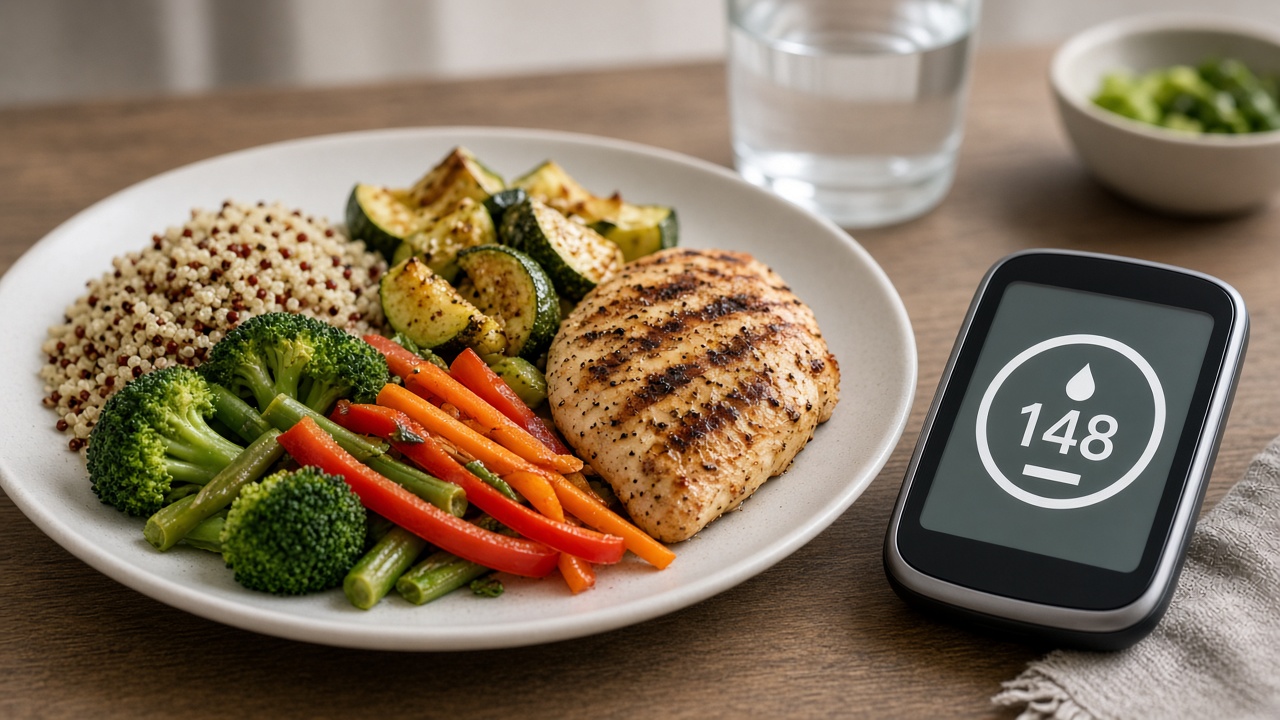
Pairing carbs with protein, fat, or fiber slows absorption. Vegetables, beans, nuts, olive oil, and vinegar-based dressings can lower the curve without eliminating favorite foods.
Ultra-processed snacks and sugary drinks produce fast peaks because they lack buffering nutrients. Whole fruit, despite natural sugar, often behaves more gently than juice or soda.
Timing, portions, and movement
Eating slowly and stopping at comfortable fullness gives hormones time to signal satiety. For some people, a short walk after meals improves glucose disposal through muscle uptake independent of insulin.
If you use a continuous glucose monitor or home meter, look for patterns two hours after eating rather than chasing perfect numbers at every meal.
Working with your care team
Share a simple food and symptom log if spikes correlate with energy crashes or mood changes. Medication adjustments belong with your prescriber—never stop diabetes medicines without medical guidance.
Applying this guidance to blood sugar spikes after meals
Translate ideas into a weekly plan you can repeat: choose default breakfasts, walking routes, bedtime cues, and pantry staples that align with your targets. When life disrupts the plan—travel, illness, or stress—return to the simplest version rather than abandoning everything.
If you track glucose, blood pressure, weight, or symptoms, review trends monthly instead of reacting to one unusual day. Patterns across several weeks reveal whether a strategy is working; single readings often mislead.
Share your plan with a partner or friend if accountability helps. Social support improves adherence for movement, meal prep, and sleep schedules more reliably than willpower alone.
Building sustainable habits
Choose one or two changes to practice for fourteen days before adding more. Consistency beats intensity for metabolic and general health outcomes.
Track sleep, stress, and hydration alongside food and activity—they often explain plateaus that look like diet failure.
Automate good defaults: keep walking shoes visible, pre-wash produce, or set a recurring bedtime alarm. Environment design reduces decision fatigue when motivation dips.
Nutrition patterns that support most goals
Build plates around vegetables, lean proteins, legumes, whole grains, nuts, seeds, and fruit according to your preferences and medical guidance. Minimize sugar-sweetened beverages and ultra-processed snacks that spike glucose and crowd out nutrient-dense options.
Cooking at home—even simple meals—usually improves fat quality, fiber, and portion awareness compared with frequent takeout.
Questions for your next appointment
Ask whether your current labs warrant repeat testing or referral to a specialist. Bring a short list of symptoms, medications, and goals so visits stay focused.
Clarify whether home monitoring, supplements, or new exercise plans are safe given your personal history.
Request written targets for blood pressure, lipids, A1c, or weight when applicable so you know what progress looks like.
When to call a clinician promptly
Sudden vision changes, chest pain, shortness of breath, confusion, persistent vomiting, signs of infection with fever, or glucose readings far outside your usual range may require urgent evaluation. Do not wait for a routine visit if severe symptoms appear.
Educational articles support—not replace—personal medical advice. Work with qualified professionals for diagnosis, treatment, and medication decisions.